
Comprehensive dental solutions for a healthy, beautiful smile. Our expert team provides advanced treatments using state-of-the-art technology.
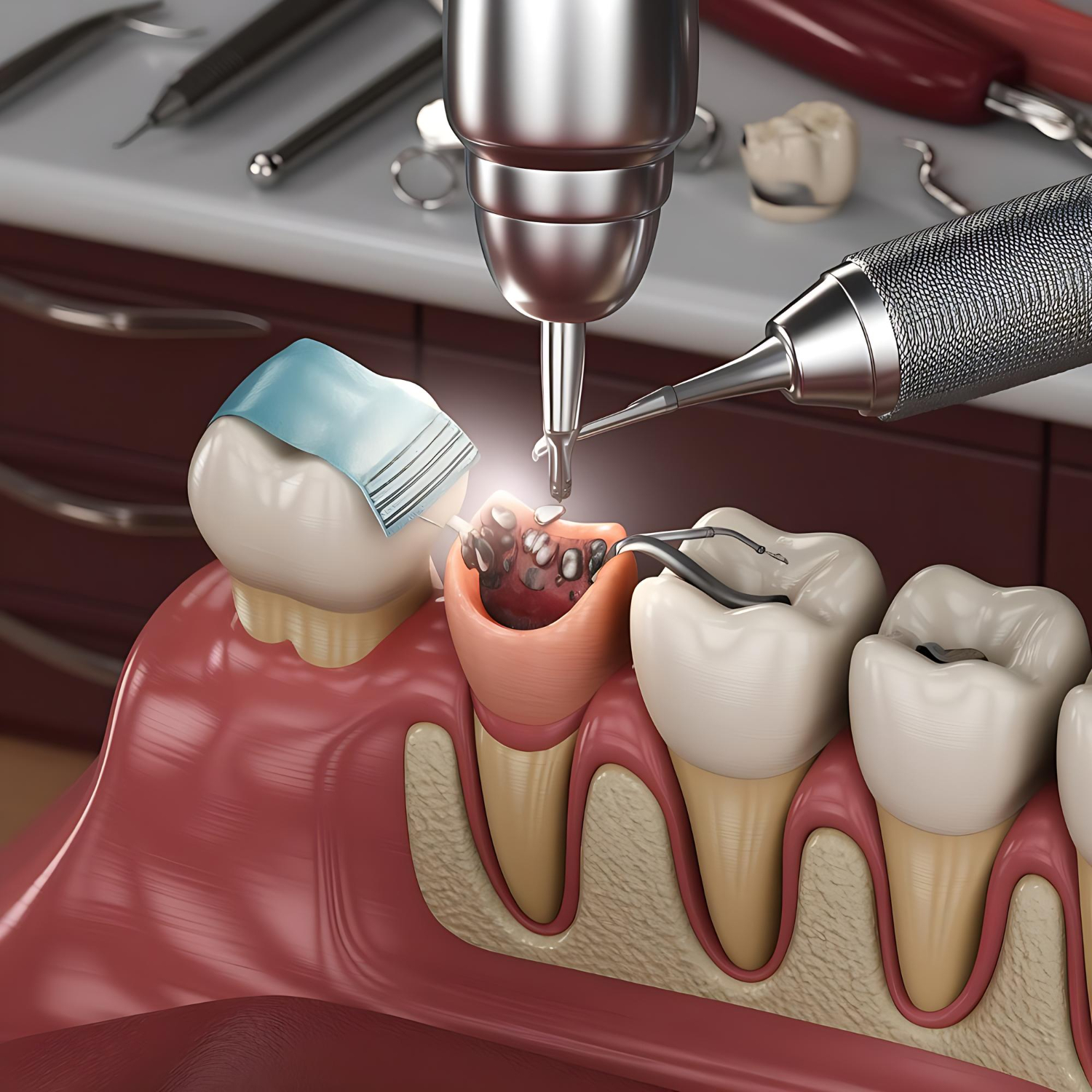
The tooth is made up of three layers, such as enamel, dentine, and pulp (the innermost layer). When a tooth has decay, large and deep fillings, cracked or fractured due to an accident or excessive wear of enamel due to grinding, there will be a sign of pulp damage, which includes pain, prolonged sensitivity to heat and cold, discoloration of the tooth, swelling, tenderness of the overlying gums, or a bad taste in the mouth. The RCT saves the teeth that would otherwise be extracted. After the root canal treatment, the tooth can function normally.
Removal of inflamed or infected tooth material.
Cleaning and Disinfection.
Filling and sealing with an inert material.
Restoration of the crown with an aesthetic cap.
It is a multi-step procedure and may require multiple visits.
Root canal treatment is a specialized dental procedure designed to treat infection, inflammation, or damage within the tooth pulp, which is the soft inner tissue containing nerves, blood vessels, and connective tissue. The pulp plays an important role during tooth development, but once a tooth is fully matured, it can survive without it by receiving nourishment from surrounding tissues.
During root canal treatment, the dentist carefully removes the infected or damaged pulp from the tooth. The inside of the tooth is then thoroughly cleaned, shaped, and disinfected to eliminate bacteria and prevent reinfection. After cleaning, the canals are filled with a biocompatible material and sealed securely. In most cases, a dental crown is placed over the treated tooth to restore its strength, functionality, and appearance.
Common symptoms include severe toothache, prolonged sensitivity to hot or cold, gum swelling, pus formation, facial swelling, and discomfort while chewing. If you experience any of these symptoms, consult with our dental team immediately.
When the pulp is injured and can't repair itself, it dies. Bacteria can then multiply within the pulp chamber, causing an infection or abscessed tooth. An abscess is a pus-filled pocket that forms at the end of the tooth's root, causing bone loss around the tip of the root.
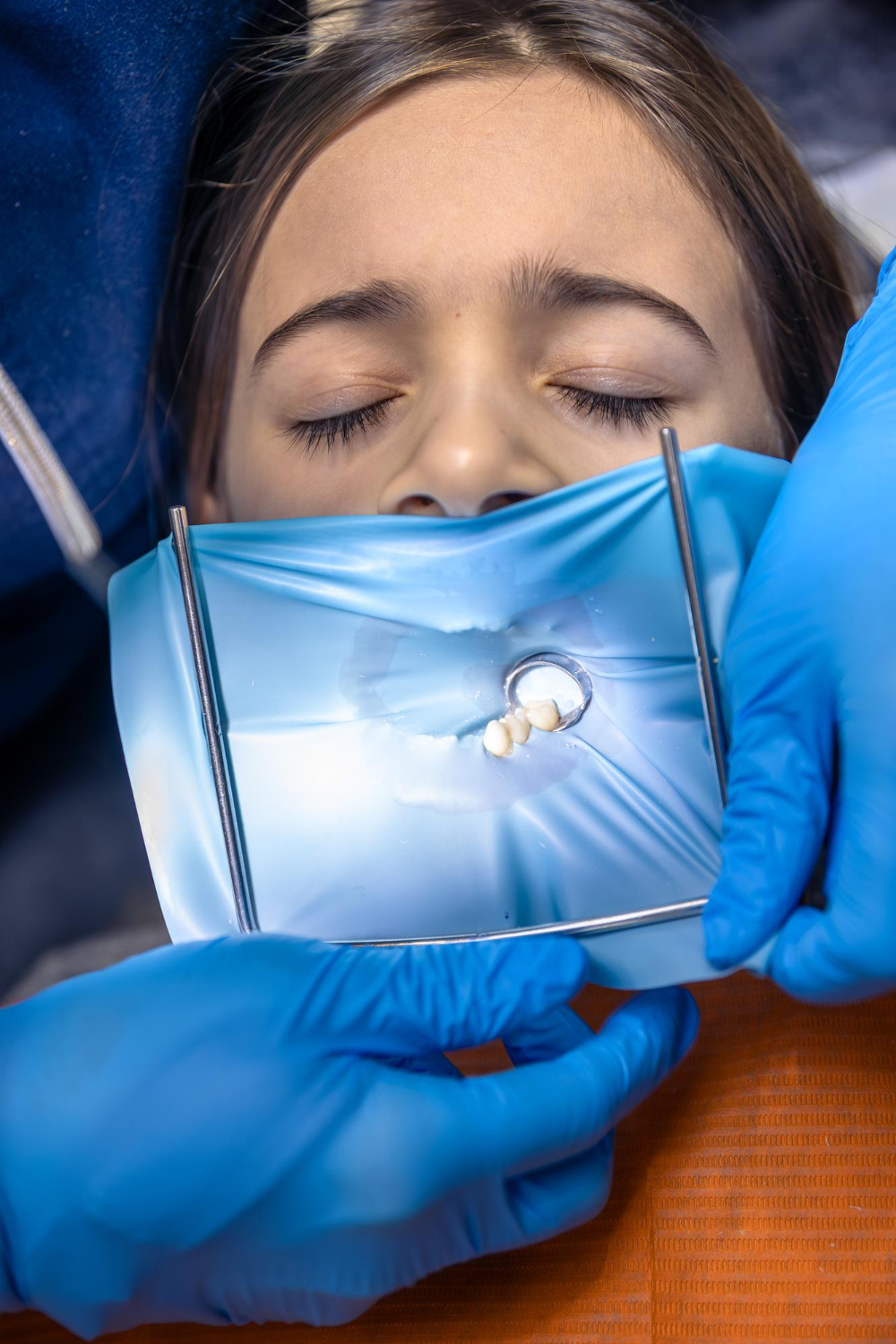
A dental filling is a treatment procedure to restore missing tooth structure and its function back to shape, which could have been a result of decay or accidental damage. Decay makes teeth hollow. A dental filling helps to fill this gap and protect it from further decay and damage.
A dental filling is normally required if your tooth is decayed. This treatment procedure can prevent further damage and can protect your tooth.
The very first step involved in this process is to inspect and examine the severity of the infection; the reason being that this procedure is only suitable for minor fractures and decay.
The dentist then examines the tooth, and if required, an X-ray would be taken for precise information about the extent of the damage.
Depending upon the extent of decay, local anesthesia will be administered to make the area around the infected tooth numb.
Then the decayed or damaged tooth or the areas around it is prepared for restoration.
If the tooth is damaged, then a dental air abrasion instrument or a laser can be used to remove the damaged part.
A filling ideally of glass ionomer or composite resin is then applied to fill the cavity.
The type of filling will depend upon case to case and person to person.
Finally, the finished tooth can be polished to conclude the dental filling procedure.
There are various types of fillings like Composite, Ceramic, Glass Ionomer, Gold & Amalgam Fillings.
Dental fillings are made from safe, durable, and biocompatible materials designed to restore the strength, shape, and function of a damaged tooth. Today, the most commonly used filling material is tooth-colored composite resin, which blends naturally with the surrounding teeth and provides excellent aesthetic results.
Composite fillings are made of a mixture of plastic resin and fine glass particles. They are soft when placed into the cavity and are hardened using a special curing light. This allows the dentist to precisely shape the filling to match the natural contours of the tooth. Composite fillings are ideal for visible areas such as front teeth and are widely preferred for cosmetic reasons.
After a dental filling, you may experience some sensitivity to hot and cold temperatures for a few days. This is normal and should subside. You can resume normal eating once the anesthesia wears off, but avoid chewing hard foods directly on the filled tooth for 24 hours.
With proper care, dental fillings can last many years. Composite fillings typically last 5-7 years, while porcelain and gold fillings can last 10-15 years or longer. Regular dental check-ups and good oral hygiene will help extend the life of your fillings.
Dental fillings are needed to treat tooth decay (cavities), repair cracked or broken teeth, or restore teeth that are worn down from habits like nail-biting or tooth grinding. They prevent further decay and restore the tooth's normal function and appearance.
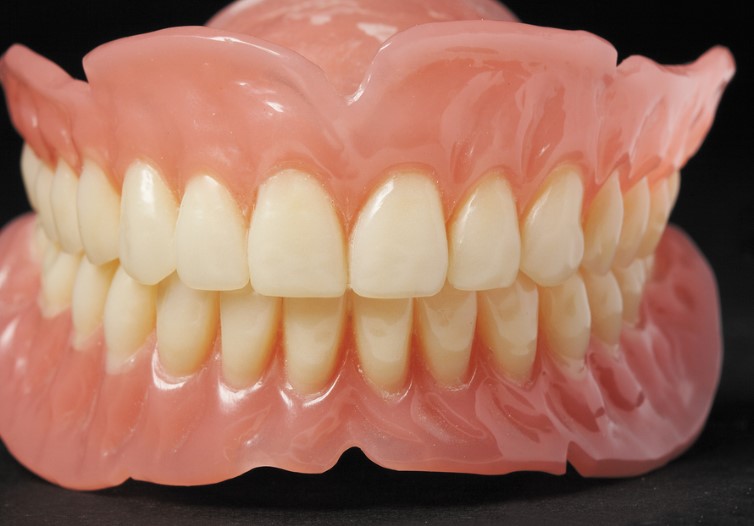
Dentures are removable prostheses that are used to replace missing teeth and tissue. Dentures are of two types: complete and partial.
Complete dentures are advised when all the teeth are missing, and partial dentures are applied when some natural teeth are missing. They are custom-made especially for a set of teeth and gum lines.
Complete dentures fit over the upper teeth and roof and on the lower teeth, placed like a horseshoe. They are conventional dentures and are removed during the night for cleaning.
A partial denture rests on a metal framework that attaches to your natural teeth. Sometimes crowns are placed on some of your natural teeth and serve as anchors for the denture. Partial dentures offer a removable alternative to bridges.
An overdenture is a type of removable denture that is designed to fit securely over a small number of remaining natural teeth or dental implants. Unlike traditional complete dentures, overdentures use existing tooth roots or implants as support, which helps improve stability, comfort, and chewing efficiency. The remaining teeth are usually reshaped or covered with special attachments so the denture can sit firmly in place.
One of the main advantages of overdentures is that they help preserve jawbone structure, as the retained teeth or implants continue to stimulate the bone and reduce bone loss. Overdentures also provide better retention compared to conventional dentures, making them less likely to slip while speaking or eating.
Modern dentures are designed to look very natural and enhance your appearance. They can fill out your facial profile and improve your smile. In fact, dentures can often make people look younger by providing support to facial muscles that may have sagged due to tooth loss.
Dentures are recommended for people who have lost some or all of their natural teeth due to decay, gum disease, or injury. They are also suitable for those who want to improve their chewing ability, speech, and facial appearance. Your dentist will help determine if dentures are the right solution for you based on your oral health and specific needs.
Getting new dentures typically involves several appointments. First, your dentist will take impressions and measurements of your mouth. Then, a try-in appointment allows you to see how the dentures look and feel before they're finalized. After the final dentures are made, you'll need an adjustment period to get used to speaking and eating with them. Regular follow-up appointments ensure proper fit and comfort.
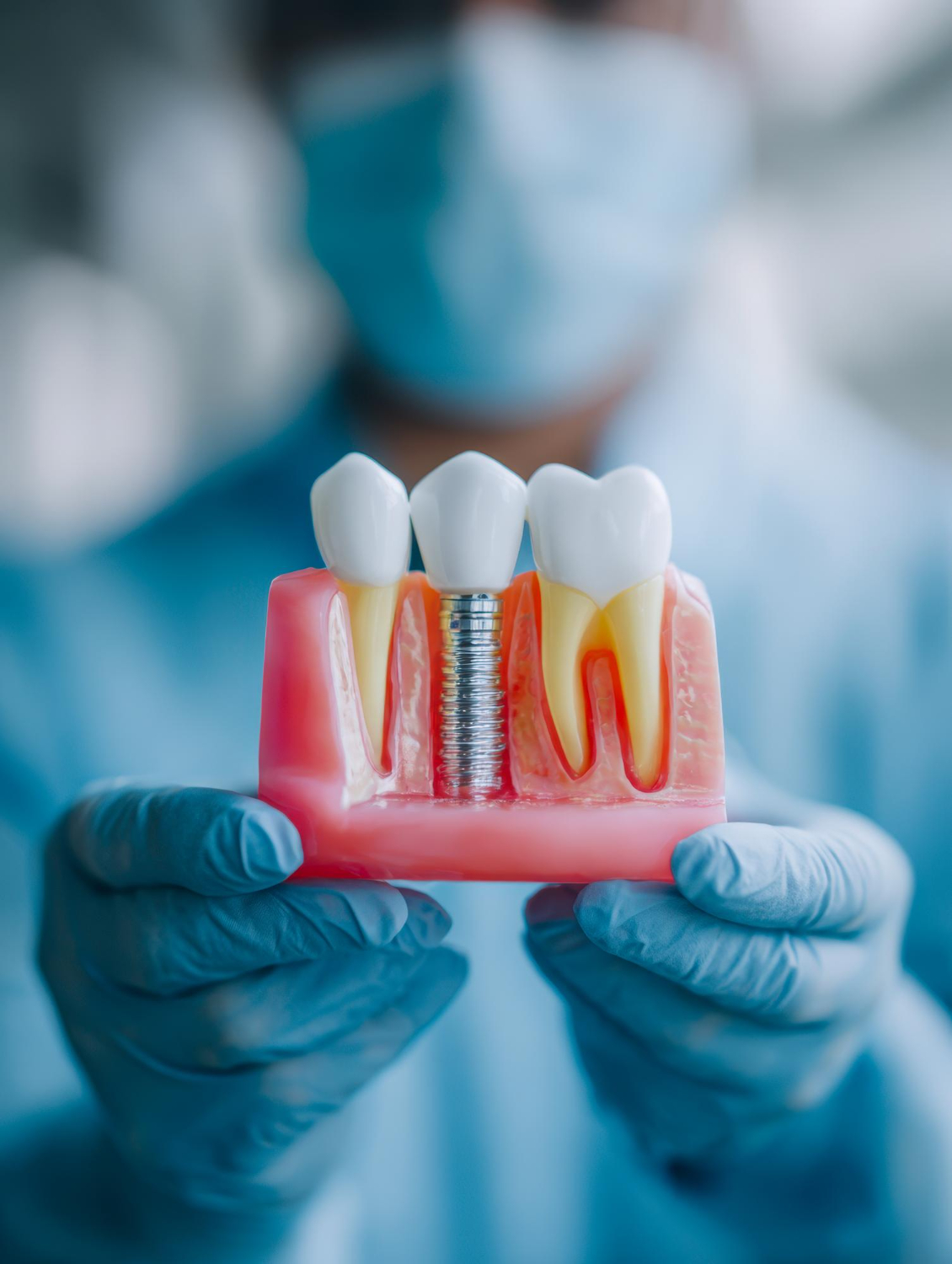
Dental implants are metallic inserts or frames that are surgically positioned into the jawbone beneath the gums. Once in place, they allow a dentist to mount replacement teeth onto them.
Dental implants are easily the most popular and also the ideal solution, for replacing your missing tooth/teeth.
Dental implants are surgically placed in your jawbone, where they serve as the roots of missing teeth. Because the titanium in the implants fuses with your jawbone, the implants won't slip, make noise or cause bone damage the way fixed bridgework or dentures might.
Have one or more missing teeth
Have adequate bone to secure the implants or are able to have a bone graft
Have healthy oral tissues
Don't have health conditions that will affect bone healing
Are unable or unwilling to wear dentures
Want to improve your speech
Are willing to commit several months to the process
A good candidate for dental implants is anyone who has one or more missing teeth and is looking for a long-term, natural-looking replacement option. Ideal candidates should have healthy gums and adequate jawbone density, as dental implants are anchored directly into the jawbone. However, even patients with bone loss may still qualify with additional procedures such as bone grafting or sinus lift surgery.
Dental implants are suitable for adults of all ages who have completed jawbone growth. Candidates should maintain good oral hygiene and be free from untreated gum disease. Certain medical conditions, such as uncontrolled diabetes, heavy smoking habits, or conditions affecting bone healing, may require additional evaluation before implant placement.
Dental implants offer numerous advantages: they look and feel like natural teeth, prevent bone loss in the jaw, don't require altering adjacent teeth (as bridges do), have a high success rate (over 95%), are durable and long-lasting, improve chewing ability and speech, enhance facial appearance, and provide a permanent solution that doesn't require removal for cleaning.
With proper care and maintenance, dental implants can last a lifetime. The implant itself (the titanium post) is designed to be permanent, while the crown attached to it may need replacement after 10-15 years due to normal wear and tear. Good oral hygiene, regular dental check-ups, and avoiding habits like teeth grinding can help extend the lifespan of your dental implants.
While traditional dentures cannot be converted into implants, implant-supported dentures are a specific type of denture that attaches to dental implants. These combine the stability of implants with the convenience of dentures. Typically, 2-4 implants are placed in the jaw, and the denture snaps onto these implants, providing much better stability than conventional dentures.
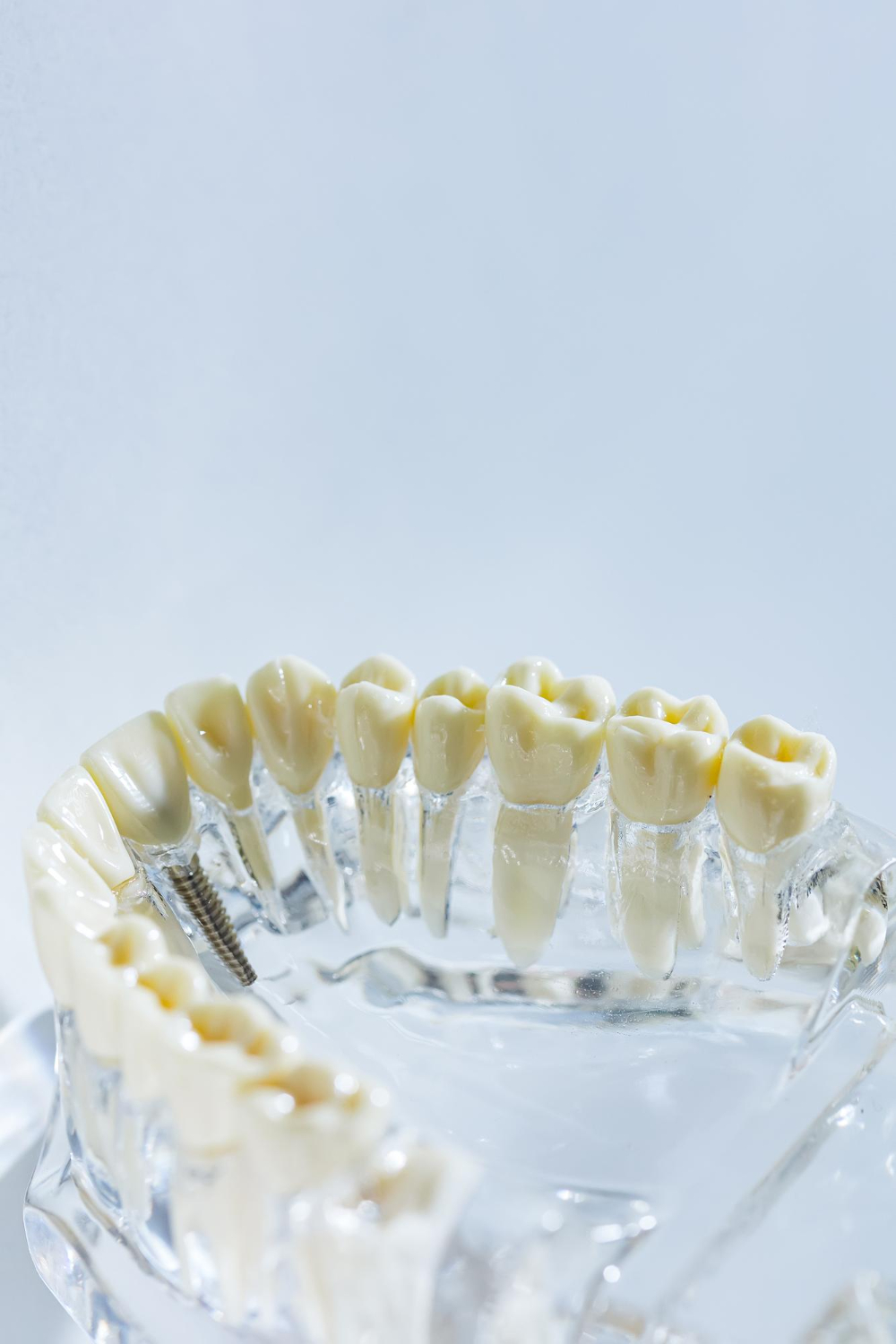
Unlike removable devices such as dentures, which you can remove and clean every day, crowns and bridges are cemented onto existing teeth or implants and can only be removed by a dentist.
A crown is used to entirely cover or conceal a damaged tooth. Besides strengthening a damaged tooth, a crown can be used to improve the appearance, shape, or alignment. A crown can also be placed on top of an implant to provide a tooth-like shape and structure for function. Porcelain or ceramic crowns can be matched to the colour of your natural teeth. Other materials include gold, metal alloys, acrylic, and ceramic. These alloys are generally stronger than porcelain and may be recommended for molar teeth. Porcelain bonded to a metal shell is often used because of its strength and aesthetic appeal.
To protect a weak tooth (for instance, from decay) from breaking or to hold together parts of a cracked teeth.
To restore an already broken tooth or a tooth that has been severely worn down.
To cover and support a tooth with a large filling when there isn't a lot of tooth left.
To hold a dental bridge in place.
To cover misshapened or severely discolored teeth.
To cover a dental implant.
To make a cosmetic modification.
A dental crown is a tooth-shaped "cap" that is placed over a tooth covering the tooth to restore its shape and size, strength, and/or to improve its appearance. The crowns, when cemented into place, fully encase the entire visible portion of a tooth that lies at and above the gum line.
Crowns are custom-made to match the color, shape, and size of your natural teeth. They can be made from various materials including porcelain, ceramic, gold, metal alloys, or a combination of materials. Porcelain and ceramic crowns provide the most natural appearance, while gold and metal alloys offer superior strength for back teeth.
On average, dental crowns last between 5 to 15 years, but they can last much longer with proper care. The lifespan depends on the material used, the location of the crown in your mouth, your oral hygiene habits, and whether you have habits like teeth grinding or nail-biting. Porcelain crowns typically last 10-15 years, while gold crowns can last 20 years or more with good care.
While a crowned tooth doesn't require special care, it's important to maintain good oral hygiene practices. Brush twice daily with fluoride toothpaste, floss daily (paying extra attention around the crown area), and visit your dentist regularly for check-ups and cleanings. Avoid chewing hard foods, ice, or other hard objects with your crowned teeth to prevent damage. If you grind your teeth at night, your dentist may recommend a night guard to protect your crown.